Apelin vs Irisin
Apelin and irisin are both released with exercise and studied in metabolism and ageing. Apelin acts through the APJ receptor; irisin’s receptor is proposed to be an integrin.
Apelin
An endogenous peptide ligand of the APJ receptor, studied as an "exerkine" released by muscle during exercise.
BEST STUDIED FOR
Mitochondrial & longevity
Read the cited profile →
Irisin
A myokine cleaved from the muscle membrane protein FNDC5 during exercise, studied for links between exercise, metabolism, bone and the brain.
BEST STUDIED FOR
Mitochondrial & longevity
Read the cited profile →
SIDE BY SIDE
| Apelin | Irisin | |
|---|---|---|
| The key difference | APJ-receptor exerkine | FNDC5-derived myokine |
| Class | Mitochondrial & longevity | Mitochondrial & longevity |
| Mechanism | Apelin/APJ signalling is widespread (heart, vessels, muscle, brain). | Exercise induces PGC-1α, which raises FNDC5; its cleaved extracellular portion, irisin, circulates and is reported to promote white-fat browning, bone formation and, in mouse models, synaptic plasticity and memory. |
| Status | Preclinical and translational research; apelin-pathway agonists are being explored in cardiovascular disease. | Preclinical and observational research; measurement of circulating irisin has itself been debated. No approved irisin product. |
| Reported safety signals | No therapeutic human safety data for apelin itself. | No human interventional safety data. |
| A key study | Found apelin is exercise-induced, declines with age, and reversed age-related muscle loss in mice. (Nat Med 2018, PMID 30061698) | Reviews FNDC5/irisin biology since 2012 and the open challenges in the field. (Endocr Rev 2021, PMID 33493316) |
WHEN TO RESEARCH WHICH
Both are exerkines; apelin has a better-defined receptor. Both are discussed here strictly as research compounds; nothing on this page is medical advice or a dosing guide.
REFERENCES (PUBMED)
- [Apelin] The exerkine apelin reverses age-associated sarcopenia — Nat Med 2018. PMID 30061698
- [Apelin] Targeting the apelin system for the treatment of cardiovascular diseases — Cardiovasc Res 2023. PMID 37956047
- [Apelin] Apelin regulates skeletal muscle adaptation to exercise in a high-intensity interval training model — Am J Physiol Cell Physiol 2024. PMID 38525542
- [Irisin] Progress and Challenges in the Biology of FNDC5 and Irisin — Endocr Rev 2021. PMID 33493316
- [Irisin] Exercise-linked FNDC5/irisin rescues synaptic plasticity and memory defects in Alzheimer’s models — Nat Med 2019. PMID 30617325
- [Irisin] Exercise hormone irisin is a critical regulator of cognitive function — Nat Metab 2021. PMID 34417591
FREQUENTLY ASKED
What is the difference between Apelin and Irisin?
Apelin and irisin are both released with exercise and studied in metabolism and ageing. Apelin acts through the APJ receptor; irisin’s receptor is proposed to be an integrin.
What is the regulatory status of Apelin and Irisin?
Apelin: Preclinical and translational research; apelin-pathway agonists are being explored in cardiovascular disease. Irisin: Preclinical and observational research; measurement of circulating irisin has itself been debated. No approved irisin product.
What safety signals have been reported?
Apelin: No therapeutic human safety data for apelin itself. Irisin: No human interventional safety data.
Which studies is this comparison based on?
For Apelin: “The exerkine apelin reverses age-associated sarcopenia” (PMID 30061698); “Targeting the apelin system for the treatment of cardiovascular diseases” (PMID 37956047); “Apelin regulates skeletal muscle adaptation to exercise in a high-intensity interval training model” (PMID 38525542). For Irisin: “Progress and Challenges in the Biology of FNDC5 and Irisin” (PMID 33493316); “Exercise-linked FNDC5/irisin rescues synaptic plasticity and memory defects in Alzheimer’s models” (PMID 30617325); “Exercise hormone irisin is a critical regulator of cognitive function” (PMID 34417591).
MORE COMPARISONS
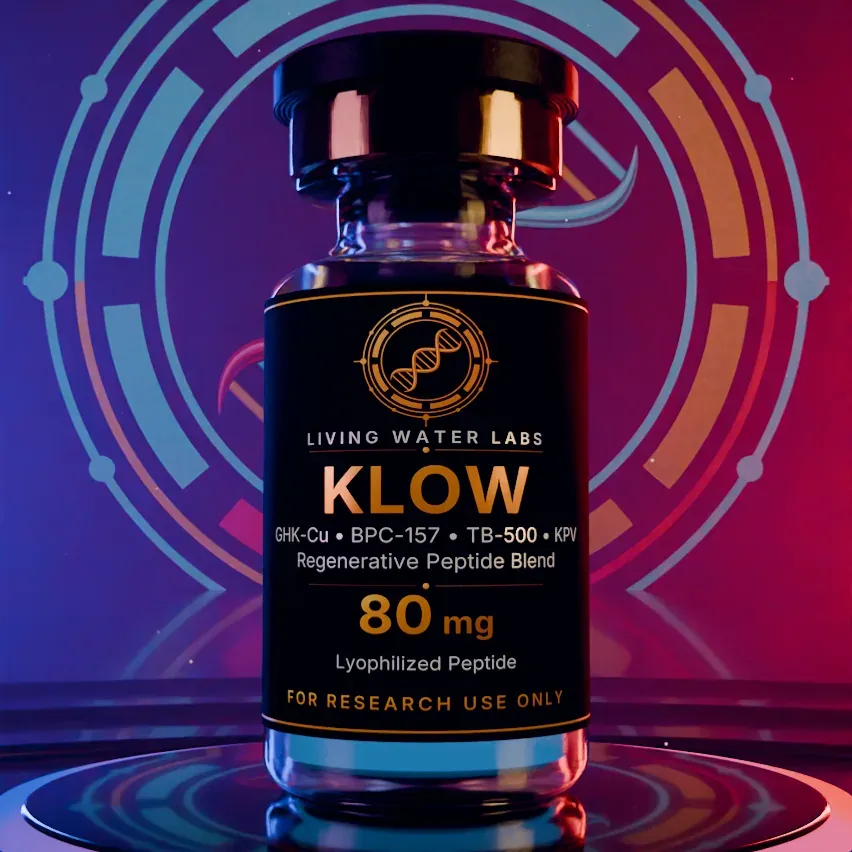
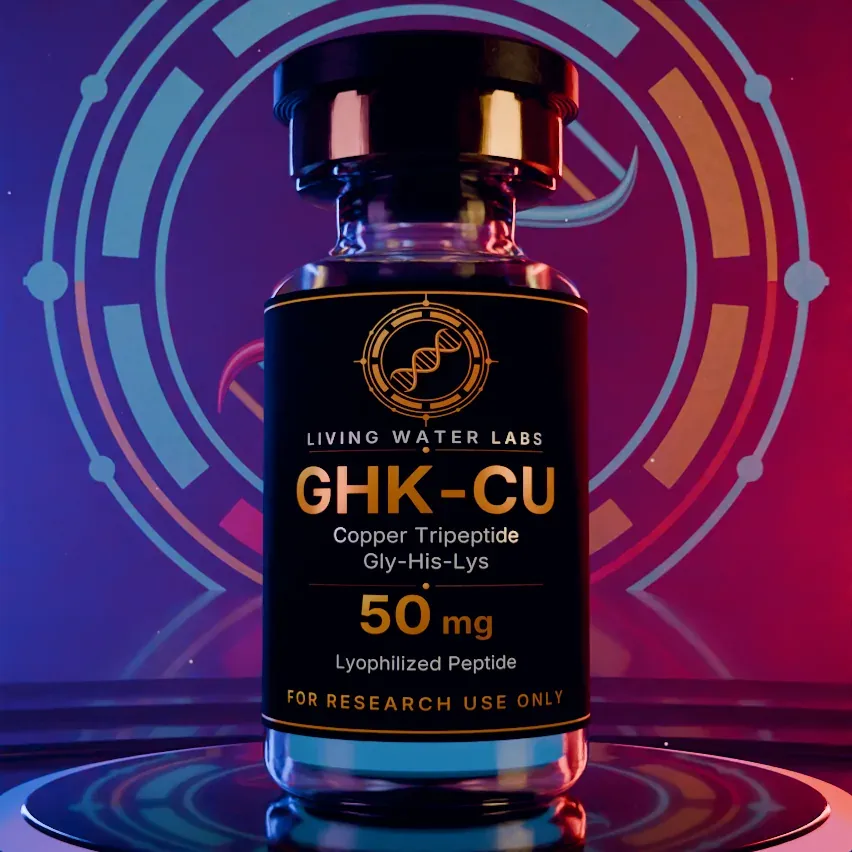
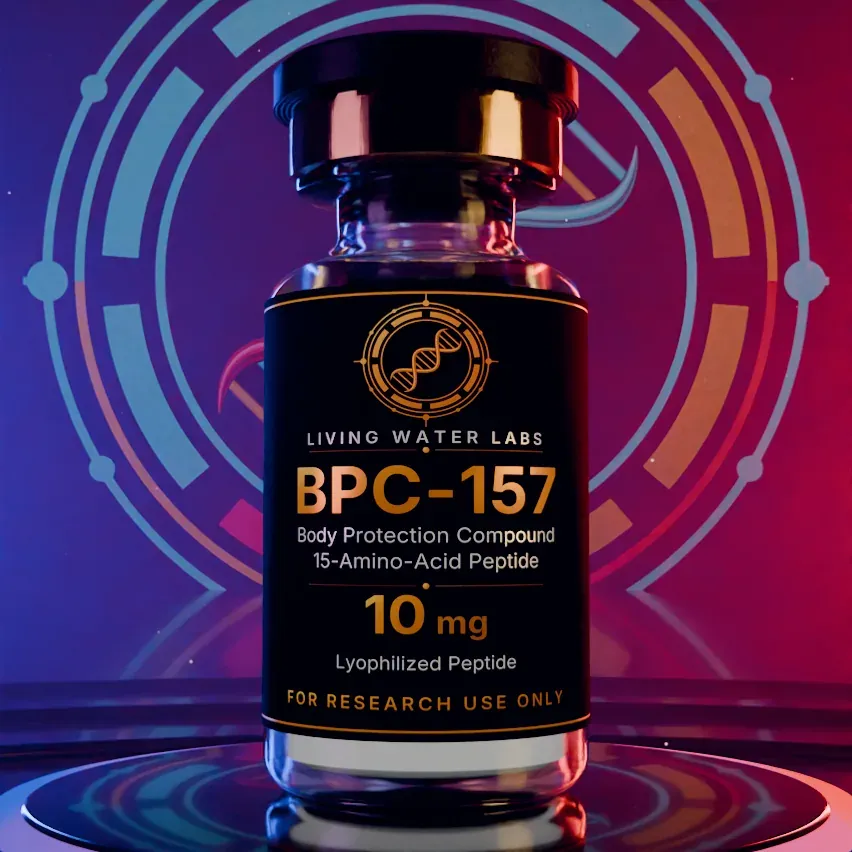
All products supplied for research purposes only. Not for human consumption.
In stock · ships from South Africa
In stock now


Supplied for laboratory research only · not for human use