BPC-157 vs Teduglutide
Both are researched for the intestinal lining. Teduglutide is an approved GLP-2 analogue that increases absorptive surface in short bowel syndrome; BPC-157 is studied in animal models of gut and soft-tissue injury and has no approval.
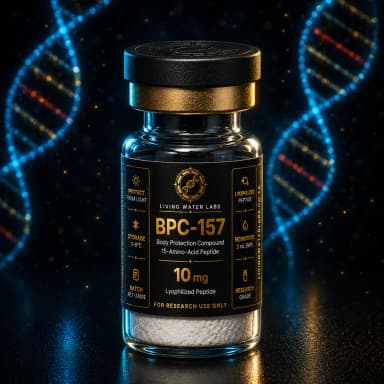
BPC-157
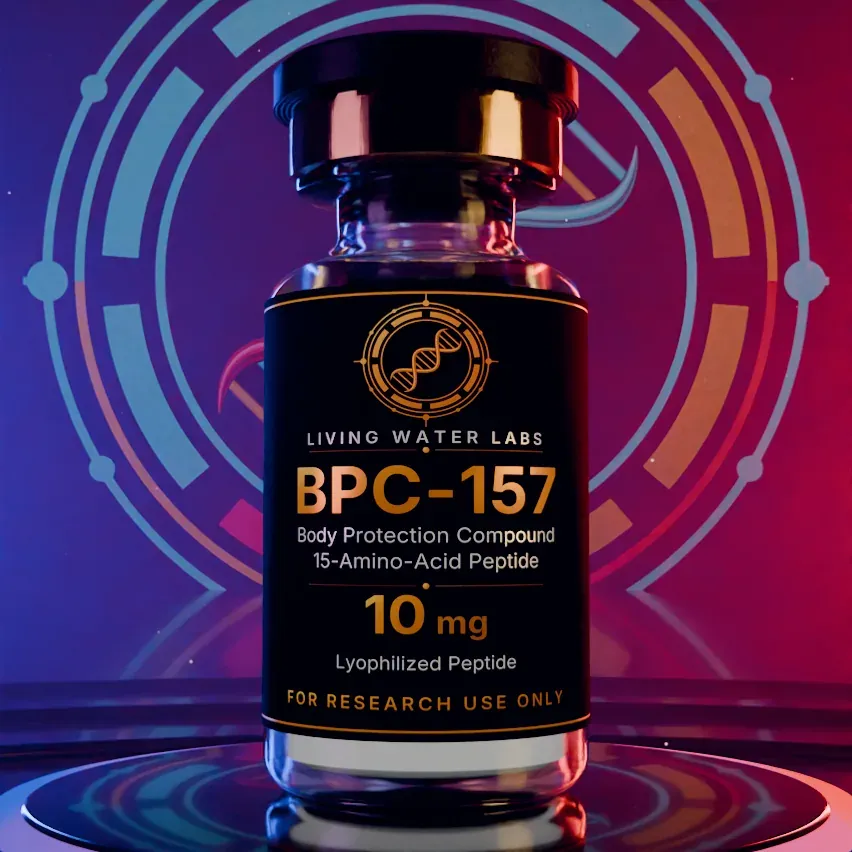
BPC-157 is a synthetic pentadecapeptide derived from a protective sequence found in human gastric juice.
BEST STUDIED FOR
Preclinical soft-tissue and gut-healing models
R489View product →
Teduglutide
A degradation-resistant analogue of glucagon-like peptide-2 (GLP-2), approved for short bowel syndrome.
BEST STUDIED FOR
Repair & immune
Read the cited profile →
Side by side · to buy
Price, purity and dispatch
| Compare | BPC-15710mg | Teduglutide |
|---|---|---|
| Price | R489 | — |
| Cost per mg | R48.9 / mg | — |
| Purity (Janoshik) | 99.427%HPLC, published | — |
| Stock | In stock | — |
| Dispatch | Same dayPaid before 12:00, Mon–Fri | — |
| Certificate | View CoA → | — |
| Literature | 4 papers → | — |
| Research focus | Preclinical soft-tissue and gut-healing models | Repair & immune |
| Read the cited profile |
Prices are read live from the catalogue. Cost per mg is the vial price over its stated mg. Purity is shown only where the certificate is published. Every compound is supplied for laboratory research only.
SIDE BY SIDE
| BPC-157 | Teduglutide | |
|---|---|---|
| The key difference | Preclinical gastric-derived peptide | Approved GLP-2 analogue for short bowel syndrome |
| Class | Repair & immune | Repair & immune |
| Mechanism | BPC-157 is a synthetic pentadecapeptide derived from a protective sequence found in human gastric juice. | GLP-2 is a gut hormone that promotes growth and maintenance of the intestinal lining. |
| Status | Investigational; not an approved medicine anywhere. The evidence base is preclinical, and a 2025 systematic review noted the absence of controlled human trials. | Approved (EU/US) for short bowel syndrome in adults and children; real-world and paediatric evidence is accumulating. |
| Reported safety signals | No controlled human safety data; published findings are from animal and cell models. | Because it is intestinotrophic, labelling and reviews discuss monitoring for polyp growth; the "double-edged sword" debate centres on this growth effect. |
| A key study | In cultured tendon fibroblasts, BPC-157 increased cell survival, outgrowth and migration in vitro. (J Appl Physiol (1985) 2011, PMID 21030672) | Reviews teduglutide as a GLP-2 analogue that increases intestinal absorption in short bowel syndrome. (Drugs 2017, PMID 28194723) |
WHEN TO RESEARCH WHICH
Teduglutide carries regulatory-grade human data; BPC-157 is a preclinical research tool. Both are discussed here strictly as research compounds; nothing on this page is medical advice or a dosing guide.
REFERENCES (PUBMED)
- [BPC-157] The promoting effect of pentadecapeptide BPC 157 on tendon healing involves tendon outgrowth, cell survival, and cell migration — J Appl Physiol (1985) 2011. PMID 21030672
- [BPC-157] Modulatory effect of gastric pentadecapeptide BPC 157 on angiogenesis in muscle and tendon healing — J Physiol Pharmacol 2009. PMID 20388964
- [BPC-157] Gastric pentadecapeptide body protection compound BPC 157 and its role in accelerating musculoskeletal soft tissue healing — Cell Tissue Res 2019. PMID 30915550
- [Teduglutide] Teduglutide: A Review in Short Bowel Syndrome — Drugs 2017. PMID 28194723
- [Teduglutide] Teduglutide: a review of its use in the treatment of patients with short bowel syndrome — Drugs 2013. PMID 23729002
- [Teduglutide] Use of Teduglutide in Children With Intestinal Failure: A Systematic Review — Front Nutr 2022. PMID 35774551
FREQUENTLY ASKED
What is the difference between BPC-157 and Teduglutide?
Both are researched for the intestinal lining. Teduglutide is an approved GLP-2 analogue that increases absorptive surface in short bowel syndrome; BPC-157 is studied in animal models of gut and soft-tissue injury and has no approval.
What is the regulatory status of BPC-157 and Teduglutide?
BPC-157: Investigational; not an approved medicine anywhere. The evidence base is preclinical, and a 2025 systematic review noted the absence of controlled human trials. Teduglutide: Approved (EU/US) for short bowel syndrome in adults and children; real-world and paediatric evidence is accumulating.
What safety signals have been reported?
BPC-157: No controlled human safety data; published findings are from animal and cell models. Teduglutide: Because it is intestinotrophic, labelling and reviews discuss monitoring for polyp growth; the "double-edged sword" debate centres on this growth effect.
Which studies is this comparison based on?
For BPC-157: “The promoting effect of pentadecapeptide BPC 157 on tendon healing involves tendon outgrowth, cell survival, and cell migration” (PMID 21030672); “Modulatory effect of gastric pentadecapeptide BPC 157 on angiogenesis in muscle and tendon healing” (PMID 20388964); “Gastric pentadecapeptide body protection compound BPC 157 and its role in accelerating musculoskeletal soft tissue healing” (PMID 30915550). For Teduglutide: “Teduglutide: A Review in Short Bowel Syndrome” (PMID 28194723); “Teduglutide: a review of its use in the treatment of patients with short bowel syndrome” (PMID 23729002); “Use of Teduglutide in Children With Intestinal Failure: A Systematic Review” (PMID 35774551).
MORE COMPARISONS
All products supplied for research purposes only. Not for human consumption.
In stock · ships from South Africa
Shop this comparison


Supplied for laboratory research only · not for human use