VIP vs PACAP
VIP and PACAP are closely related neuropeptides that share the VPAC1 and VPAC2 receptors. PACAP also binds its own PAC1 receptor with high affinity, which VIP does not.
VIP
A 28-amino-acid neuropeptide of the secretin/glucagon family with vasodilatory, secretory and immune-modulating actions.
BEST STUDIED FOR
Repair & immune
Read the cited profile →
PACAP
A neuropeptide of the VIP family that strongly raises cAMP, studied for neuroprotection and as a migraine trigger.
BEST STUDIED FOR
Nootropic & neuro
Read the cited profile →
SIDE BY SIDE
| VIP | PACAP | |
|---|---|---|
| The key difference | 28 amino acids; VPAC1/2 receptors | 38/27 amino acids; also PAC1 receptor |
| Class | Repair & immune | Nootropic & neuro |
| Mechanism | VIP acts through VPAC1 and VPAC2 receptors (shared with PACAP). | PACAP acts at PAC1, VPAC1 and VPAC2 receptors. |
| Status | Research peptide; an inhaled/intravenous form (aviptadil) has been trialled in respiratory failure, with mixed results. VIP-secreting tumours (VIPomas) are a separate clinical topic. | Research peptide; anti-PACAP antibodies have been trialled in migraine. |
| Reported safety signals | Systemic VIP lowers blood pressure and can cause flushing and diarrhoea — the VIPoma syndrome illustrates excess VIP physiology. | Infusion provokes migraine-like attacks in susceptible people, a key finding of migraine research. |
| A key study | Reviews VIP/PACAP receptor biology in CNS and inflammatory disorders. (Curr Opin Endocrinol Diabetes Obes 2021, PMID 33481421) | Reviews PACAP, first isolated for stimulating cAMP in pituitary cells, and its two forms. (Chronobiol Int 2006, PMID 16687279) |
WHEN TO RESEARCH WHICH
VIP for VPAC-receptor research; PACAP for PAC1-specific signalling, including migraine. Both are discussed here strictly as research compounds; nothing on this page is medical advice or a dosing guide.
REFERENCES (PUBMED)
- [VIP] Pituitary adenylate cyclase-activating polypeptide/vasoactive intestinal peptide (Part 2): biology and clinical importance in central nervous system and inflammatory disorders — Curr Opin Endocrinol Diabetes Obes 2021. PMID 33481421
- [VIP] Vasoactive intestinal peptide promotes secretory differentiation and mitigates radiation-induced intestinal injury — Stem Cell Res Ther 2024. PMID 39380035
- [VIP] Nanoparticle-Driven Tendon Repair: Role of Vasoactive Intestinal Peptide in Immune Modulation and Stem Cell Enhancement — ACS Nano 2025. PMID 40184556
- [PACAP] PACAP--a multifacetted neuropeptide — Chronobiol Int 2006. PMID 16687279
- [PACAP] Review on PACAP-Induced Transcriptomic and Proteomic Changes in Neuronal Development and Repair — Int J Mol Sci 2018. PMID 29596316
- [PACAP] Shared and independent roles of CGRP and PACAP in migraine pathophysiology — J Headache Pain 2023. PMID 37009867
FREQUENTLY ASKED
What is the difference between VIP and PACAP?
VIP and PACAP are closely related neuropeptides that share the VPAC1 and VPAC2 receptors. PACAP also binds its own PAC1 receptor with high affinity, which VIP does not.
What is the regulatory status of VIP and PACAP?
VIP: Research peptide; an inhaled/intravenous form (aviptadil) has been trialled in respiratory failure, with mixed results. VIP-secreting tumours (VIPomas) are a separate clinical topic. PACAP: Research peptide; anti-PACAP antibodies have been trialled in migraine.
What safety signals have been reported?
VIP: Systemic VIP lowers blood pressure and can cause flushing and diarrhoea — the VIPoma syndrome illustrates excess VIP physiology. PACAP: Infusion provokes migraine-like attacks in susceptible people, a key finding of migraine research.
Which studies is this comparison based on?
For VIP: “Pituitary adenylate cyclase-activating polypeptide/vasoactive intestinal peptide (Part 2): biology and clinical importance in central nervous system and inflammatory disorders” (PMID 33481421); “Vasoactive intestinal peptide promotes secretory differentiation and mitigates radiation-induced intestinal injury” (PMID 39380035); “Nanoparticle-Driven Tendon Repair: Role of Vasoactive Intestinal Peptide in Immune Modulation and Stem Cell Enhancement” (PMID 40184556). For PACAP: “PACAP--a multifacetted neuropeptide” (PMID 16687279); “Review on PACAP-Induced Transcriptomic and Proteomic Changes in Neuronal Development and Repair” (PMID 29596316); “Shared and independent roles of CGRP and PACAP in migraine pathophysiology” (PMID 37009867).
MORE COMPARISONS
All products supplied for research purposes only. Not for human consumption.
In stock · ships from South Africa
In stock now
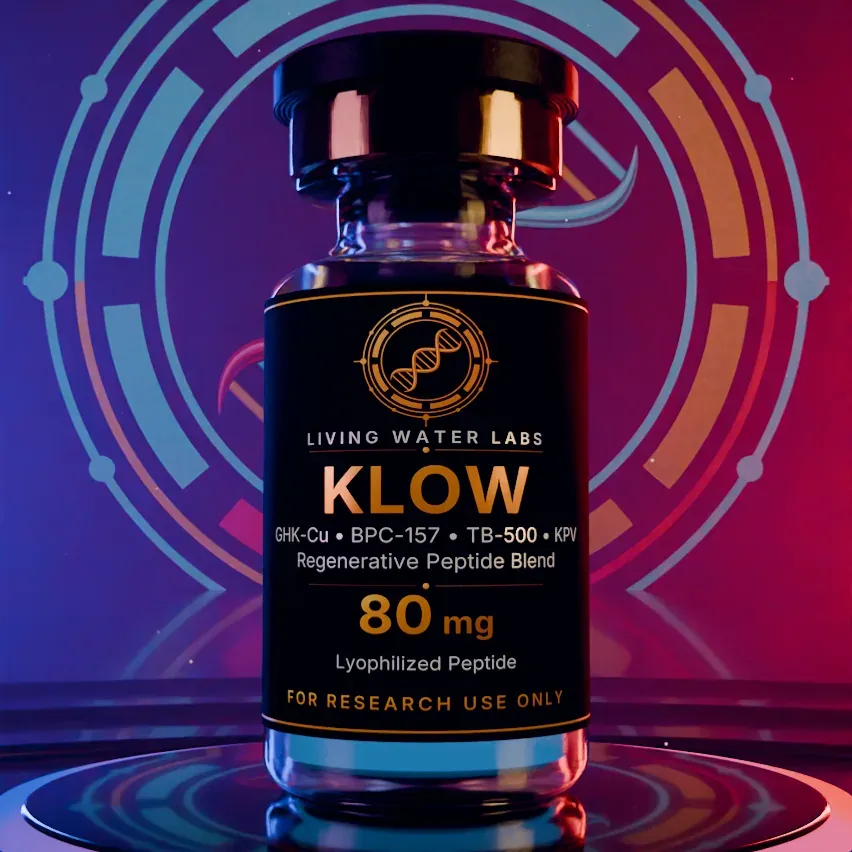





Supplied for laboratory research only · not for human use