Alternative to CoQ10
CoQ10 is an electron-transport-chain cofactor and antioxidant — but it is poorly absorbed orally and mostly helps people who are genuinely depleted, such as statin users. Research into mitochondrial function looks at signalling and redox compounds instead: MOTS-c for mitochondrial signalling and methylene blue as an alternative electron carrier. Here is the honest comparison.
CoQ10 (ubiquinone) sits inside the mitochondrial electron-transport chain, shuttling electrons and acting as a fat-soluble antioxidant. Supplementing it is reasonable when levels are low — statin users are the classic example — but oral bioavailability is poor, and topping up a cofactor you already have enough of does little. Researchers interested in mitochondrial function beyond the cofactor model study different tools. MOTS-c is a mitochondrial-derived peptide investigated for mitochondrial biogenesis, AMPK activation and metabolic regulation, and methylene blue is studied as an alternative electron carrier and redox agent at low doses. Both are research compounds supplied strictly for research purposes only.
SIDE BY SIDE
| CoQ10 | Research approach | |
|---|---|---|
| What it is | An electron-transport cofactor / antioxidant (ubiquinone) | MOTS-c peptide; methylene blue |
| Mechanism | Shuttles electrons in the chain; antioxidant | MOTS-c: mitochondrial signalling/AMPK; MB: alt electron carrier |
| Absorption | Poor oral bioavailability | Defined research compounds |
| Who it helps most | Those depleted (e.g. statin users) | Studied for signalling irrespective of levels |
| Studied for | Cellular energy, cardiovascular support | Mitochondrial biogenesis, metabolic regulation, redox |
| Regulatory status here | Dietary supplement | Research compounds — for research purposes only |
WHAT TO RESEARCH INSTEAD
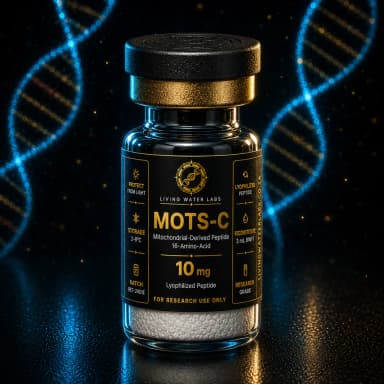
MOTS-c
A mitochondrial-derived peptide studied for mitochondrial biogenesis, AMPK activation and metabolic regulation.
R420View product →
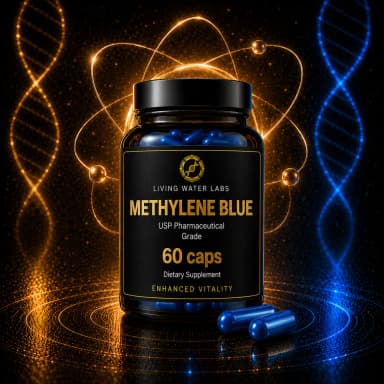
Methylene Blue
Studied at low doses as an alternative mitochondrial electron carrier and redox agent.
R239View product →
Energy research range
The wider cellular-energy and mitochondrial research collection.
Explore energy compounds →
WHEN TO RESEARCH WHICH
CoQ10 is the right tool where a genuine depletion exists (for instance on statins) and the interest is replacing a cofactor. Where the research interest is mitochondrial signalling and redox function rather than substrate, MOTS-c (studied for mitochondrial biogenesis and metabolic regulation) and methylene blue (studied as an alternative electron carrier) are the compounds under study. Different mechanisms — a cofactor top-up vs signalling and redox — all supplied for research purposes only.
FREQUENTLY ASKED
Is there an alternative to CoQ10?
Researchers interested in mitochondrial function study MOTS-c for mitochondrial signalling and methylene blue as an alternative electron carrier, rather than topping up a poorly absorbed cofactor. Both are research compounds supplied strictly for research purposes only.
When does CoQ10 actually help?
Mainly where levels are genuinely depleted — statin users are the classic example. Beyond that, absorption is poor and topping up an adequate cofactor does little. MOTS-c and methylene blue are studied for signalling and redox instead, for research purposes only.
What is MOTS-c studied for?
MOTS-c is a peptide encoded within mitochondrial DNA, studied for mitochondrial biogenesis, AMPK activation and metabolic regulation. It is HPLC-verified and CoA-certified, supplied for research purposes only.
MORE ALTERNATIVES
All products supplied for research purposes only. Not for human consumption. Nothing here is medical advice or a substitute for a qualified clinician.