Alternative to Resveratrol
Resveratrol was popularised as a sirtuin-activating longevity molecule — but oral absorption is poor and the human evidence is contested. Research into cellular ageing looks at defined longevity peptides instead: Epitalon, studied for telomerase and pineal regulation, and MOTS-c, studied for mitochondrial and metabolic signalling. Here is the honest comparison.
Resveratrol, a polyphenol from grape skin and Japanese knotweed, became famous as a proposed sirtuin activator behind the "red wine" longevity story. Two problems dog it: it is poorly absorbed orally, and the human longevity evidence has never matched the early hype. Researchers interested in cellular-ageing biology study defined compounds instead. Epitalon, a pineal-gland tetrapeptide, carries decades of longevity literature including telomerase research, and MOTS-c, a mitochondrial-derived peptide, is studied for metabolic regulation and mitochondrial signalling. Both are research compounds supplied strictly for research purposes only — not supplements.
SIDE BY SIDE
| Resveratrol | Research approach | |
|---|---|---|
| What it is | A plant polyphenol (grape/knotweed) | Research longevity peptides (Epitalon, MOTS-c) |
| Mechanism | Proposed sirtuin activation | Epitalon: telomerase/pineal; MOTS-c: mitochondrial signalling |
| Bioavailability | Poor oral absorption | Defined research compounds |
| Evidence | Contested in humans | Epitalon has decades of longevity literature |
| Studied for | Cellular ageing (broad) | Telomere, circadian and mitochondrial/metabolic research |
| Regulatory status here | Dietary supplement | Research compounds — for research purposes only |
WHAT TO RESEARCH INSTEAD
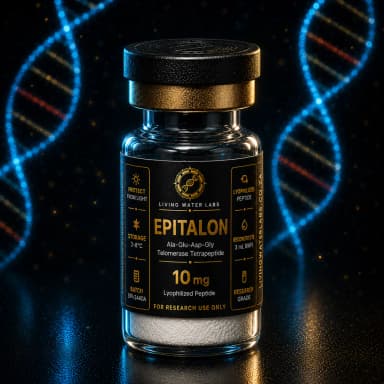
Epitalon
A pineal-gland tetrapeptide with decades of longevity literature, studied for telomerase and circadian regulation.
R339View product →
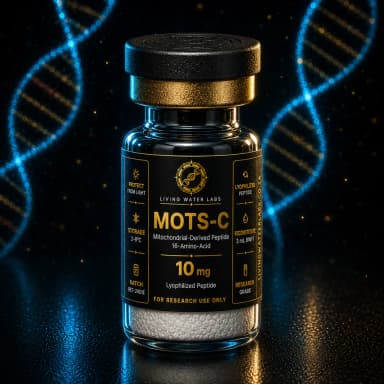
MOTS-c
A mitochondrial-derived peptide studied for metabolic regulation and mitochondrial signalling.
R420View product →
Longevity research range
The wider cellular-ageing and healthspan research collection.
Explore longevity compounds →
WHEN TO RESEARCH WHICH
A resveratrol supplement is a low-risk dietary option where the interest is broad antioxidant/polyphenol intake and expectations are modest. Where the research interest is defined longevity mechanisms, Epitalon (studied for telomerase and circadian regulation) and MOTS-c (studied for mitochondrial and metabolic signalling) have the deeper, more specific literature. Different classes — a plant polyphenol vs characterised longevity peptides — all supplied for research purposes only.
FREQUENTLY ASKED
Is there an alternative to resveratrol?
Researchers interested in cellular ageing study defined longevity peptides — Epitalon for telomerase and circadian regulation, MOTS-c for mitochondrial signalling — rather than a poorly absorbed polyphenol. Both are research compounds supplied strictly for research purposes only, not supplements.
Why look beyond resveratrol?
Resveratrol is poorly absorbed orally and its human longevity evidence is contested. Epitalon and MOTS-c are studied for more specific, defined ageing mechanisms. Evidence varies by compound and they are supplied for research purposes only.
What is Epitalon studied for?
Epitalon is a pineal-gland tetrapeptide studied for telomerase activity, circadian and melatonin regulation and longevity. It is HPLC-verified and CoA-certified, supplied for research purposes only.
MORE ALTERNATIVES
All products supplied for research purposes only. Not for human consumption. Nothing here is medical advice or a substitute for a qualified clinician.