Research Alternative to Creatine
Creatine is the most-proven training supplement there is — cheap, safe and effective for its lane. It is not really replaced by peptides; they answer different questions. If you are researching beyond creatine, the interesting territory is cellular energy at the mitochondrial level (MOTS-c) and tissue recovery (the classic repair peptides).
Creatine deserves its reputation: it buffers ATP for short, powerful efforts and the evidence base is enormous. So this is not a "swap creatine for a peptide" page — that would be dishonest. Rather, researchers who have creatine covered and want to explore adjacent biology look in two directions. MOTS-c is a mitochondrial-derived peptide studied for cellular energy metabolism and exercise-mimetic effects — a different energy system to creatine's phosphocreatine buffer. And for the recovery side of training, BPC-157 and TB-500 are the most-studied soft-tissue repair peptides. All are research compounds, supplied for research purposes only — not supplements and not for human consumption.
SIDE BY SIDE
| Creatine | Research approach | |
|---|---|---|
| What it is | A cheap, well-proven training supplement | Research peptides studied for energy metabolism and recovery |
| Energy system | Phosphocreatine — buffers ATP for short efforts | MOTS-c: mitochondrial / AMPK signalling (a different system) |
| Recovery angle | Indirect (supports training volume) | BPC-157 / TB-500 studied for soft-tissue repair |
| Evidence base | Vast — one of the best-studied supplements | Preliminary / research-stage; varies by compound |
| Best kept for | Strength, power, training volume | Exploring cellular-energy and recovery biology |
| Regulatory status here | Dietary supplement | Research compounds — for research purposes only |
WHAT TO RESEARCH INSTEAD
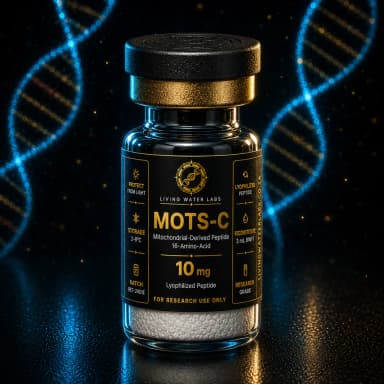
MOTS-c
A mitochondrial-derived peptide studied for cellular energy metabolism and exercise-mimetic effects.
R420View product →
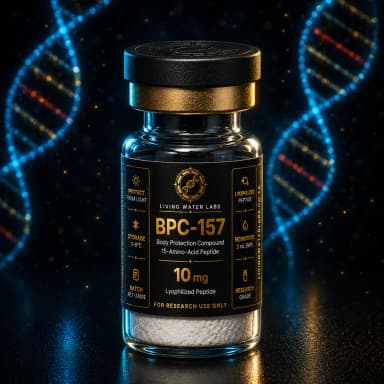
BPC-157
The most-studied localised soft-tissue repair peptide — the recovery side of training research.
R439View product →
Recovery research range
The wider tissue-repair and recovery research collection.
Explore recovery compounds →
WHEN TO RESEARCH WHICH
Keep creatine for what it is best at: rapid ATP buffering for strength and power output, with an unmatched safety and evidence record. Research MOTS-c where the interest is mitochondrial energy metabolism and exercise-mimetic signalling — a different pathway entirely. Research BPC-157 / TB-500 where the interest is soft-tissue recovery between sessions. These are complementary research angles, not replacements for a proven supplement. For research purposes only.
FREQUENTLY ASKED
Is there a research alternative to creatine?
Creatine is not really replaced by peptides — they answer different questions. Researchers exploring beyond creatine look at MOTS-c for mitochondrial energy signalling and at BPC-157 / TB-500 for tissue recovery. These are research compounds supplied strictly for research purposes only, not supplements.
Does MOTS-c do the same thing as creatine?
No. Creatine buffers ATP through the phosphocreatine system for short, powerful efforts. MOTS-c is studied for mitochondrial energy metabolism and exercise-mimetic signalling — a different energy pathway. It is HPLC-verified and for research purposes only.
Should I stop taking creatine?
We make no such recommendation. Creatine is one of the best-evidenced supplements available. The compounds here explore adjacent biology for research purposes only and are not a substitute for a proven supplement or any medical advice.
MORE ALTERNATIVES
All products supplied for research purposes only. Not for human consumption. Nothing here is medical advice or a substitute for a qualified clinician.