Alternative to Whey Protein for Recovery
Whey protein feeds muscle protein synthesis with a fast, leucine-rich amino-acid load — essential nutrition that peptides do not replace. But whey answers a different question to soft-tissue repair. If you are researching tendon, ligament and connective-tissue recovery specifically, BPC-157 and TB-500 are the most-studied compounds, and they work alongside good protein intake, not instead of it.
Whey is one of the best-evidenced tools in sports nutrition: a rapidly digested protein that supplies the amino acids — especially leucine — that drive muscle protein synthesis after training. This is not a "swap whey for peptides" page, because that would be dishonest: protein intake is foundational and peptides do not substitute for it. The distinction is what each addresses. Whey fuels muscle rebuilding; it does little specifically for the tendons, ligaments and connective tissue that lag behind muscle in recovery. That soft-tissue repair question is where BPC-157 and TB-500 have the deepest research literature. Both are research compounds supplied strictly for research purposes only — not food, not supplements, and not for human consumption.
SIDE BY SIDE
| Whey protein | Research approach | |
|---|---|---|
| What it is | A fast-digesting food protein — amino-acid substrate | Research repair peptides (BPC-157, TB-500) |
| Question it answers | Enough leucine/protein for muscle protein synthesis | Soft-tissue repair signalling |
| Recovery type | Fuels muscle rebuild after training | Studied for tendon, ligament and connective-tissue repair |
| Evidence base | Vast — well-proven for muscle protein synthesis | Preliminary / research-stage |
| Best kept for | Daily protein target, muscle growth | Exploring injury and connective-tissue recovery |
| Regulatory status here | Food supplement | Research compounds — for research purposes only |
WHAT TO RESEARCH INSTEAD
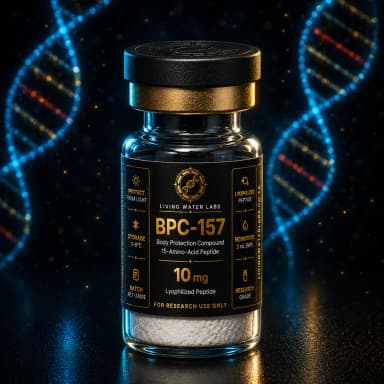
BPC-157
The most-studied localised soft-tissue repair peptide — the connective-tissue side of recovery research.
R439View product →
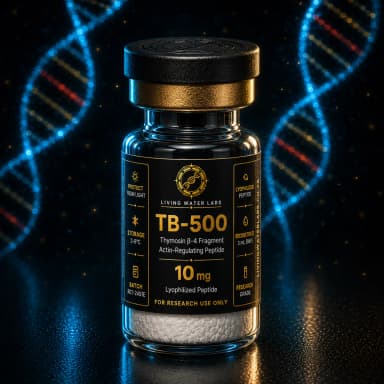
TB-500
Thymosin Beta-4 fragment studied for systemic tissue repair and recovery; often paired with BPC-157.
R499View product →
Recovery research range
The wider tissue-repair and recovery research collection.
Explore recovery compounds →
WHEN TO RESEARCH WHICH
Keep whey for what it is best at: hitting a daily protein target and supplying leucine to drive muscle protein synthesis, with an enormous evidence base behind it. Research BPC-157 and TB-500 where the interest is connective-tissue recovery — tendon, ligament and soft-tissue repair — which protein alone does not directly address. These are complementary research angles layered on top of sound nutrition, not replacements for it. For research purposes only.
FREQUENTLY ASKED
Is there an alternative to whey protein for recovery?
Whey is not really replaced by peptides — it fuels muscle protein synthesis, a different question to soft-tissue repair. Researchers exploring tendon and ligament recovery study BPC-157 and TB-500 alongside good protein intake. These are research compounds supplied strictly for research purposes only.
Should I stop using whey?
No — we make no such recommendation. Protein intake is foundational and well-evidenced. BPC-157 and TB-500 are studied for connective-tissue repair as a complementary research angle, not a substitute for nutrition. For research purposes only.
What are BPC-157 and TB-500 studied for?
BPC-157 is studied for localised soft-tissue repair and TB-500 (a Thymosin Beta-4 fragment) for systemic tissue recovery; they are a common research pairing. Both are HPLC-verified and CoA-certified, for research purposes only.
MORE ALTERNATIVES
All products supplied for research purposes only. Not for human consumption. Nothing here is medical advice or a substitute for a qualified clinician.