Swimmer’s shoulder — pain from repetitive overhead rotation, usually involving the rotator cuff and biceps tendon — is the defining injury of the sport. Breaststrokers add a knee problem (medial knee stress from the whip kick), and everyone accumulates lower-back load from butterfly and dolphin kick. Because the water unloads the skeleton, bone health is a quieter concern that sometimes gets overlooked.
Training volume is extraordinary: elite programmes run nine or ten pool sessions a week plus dryland, often starting before 5 a.m. That makes sleep a genuine performance limiter, not a lifestyle detail, and it is why Sleep carries weight here.
South Africa has a proud Olympic swimming history and a strong schools and club system, with Swimming South Africa operating under the WADA Code. Open-water swimming — the Midmar Mile, Robben Island crossings — adds cold-water and endurance demands.
Mapped to the evidence radar
Each demand below is mapped to one of the ten fixed research areas on our evidence radar. The heavier the weight, the more that area counts when compounds are ranked for Swimming: Recovery & Repair ×3, Sleep & Recovery Rhythm ×2, Longevity & Energy ×2, Muscle & Body Composition ×1, Gut & Immune ×1.
- Swimmer’s shoulder · Recovery & Repair
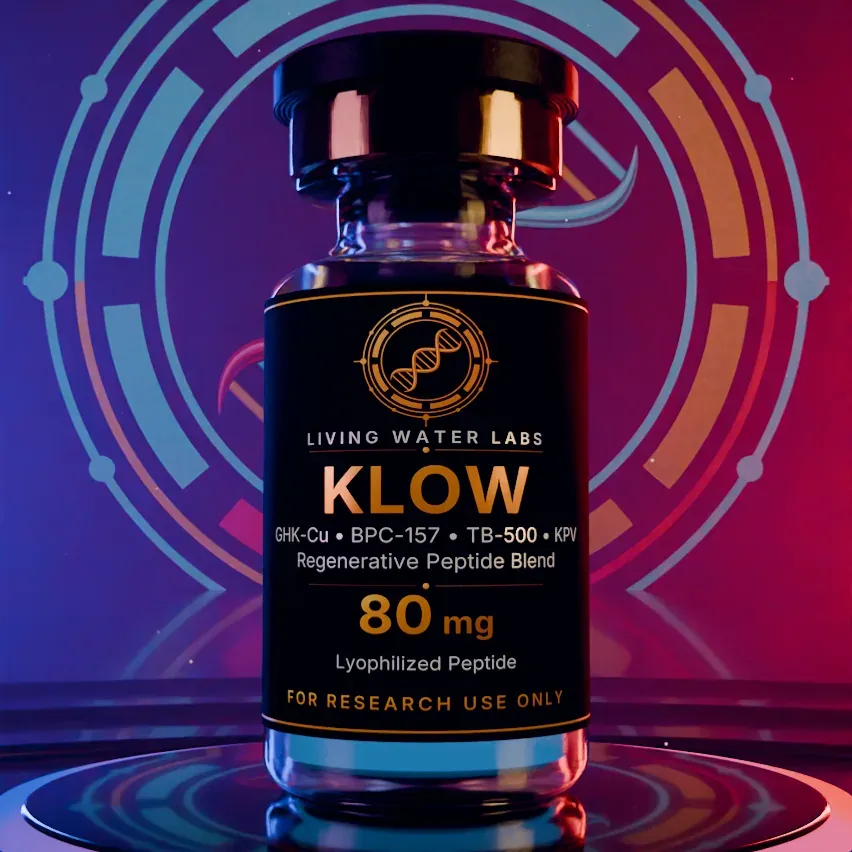
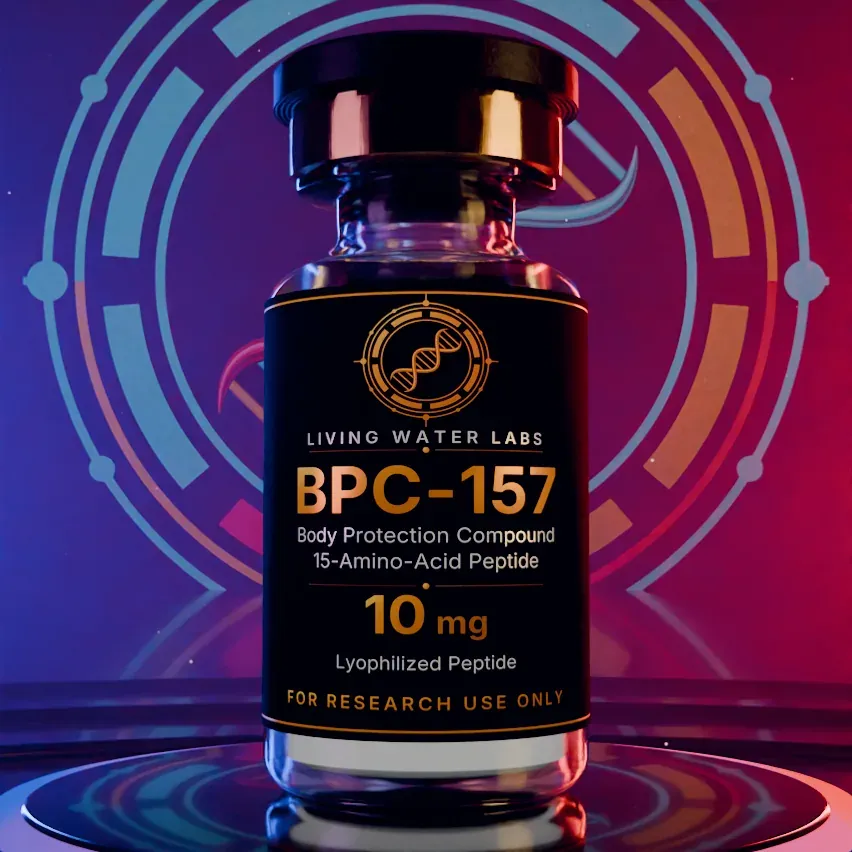
Rotator-cuff and biceps-tendon overuse. The tendon research for BPC-157 and Thymosin β4 is preclinical, and we also have a swimmer’s-shoulder hub. - Aerobic capacity · Longevity & Energy
Mitochondrial research (MOTS-c, NAD+) sits on this axis; MOTS-c is WADA-prohibited under S4.4.1. - Pre-dawn training · Sleep & Recovery Rhythm
Early sessions shorten sleep. Sleep-rhythm evidence here is Russian pineal-peptide research in older adults. - Dryland strength · Muscle & Body Composition
Upper-body power for starts and turns. GH-axis compounds on this axis are prohibited under S2.2.4.